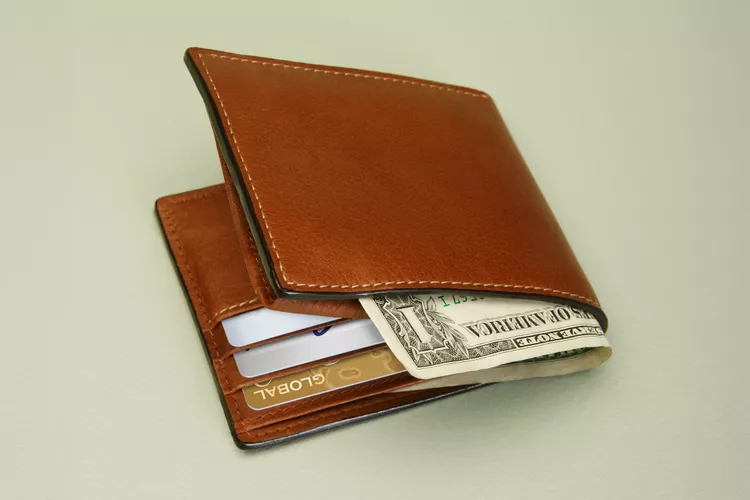
For many people, the plastic card in their wallet is either a lifesaver or a financial disaster. Credit cards are often seen as dangerous because they make spending easy, encourage impulse buying, and can quickly lead to debt. But when used wisely, that same piece of plastic can become one of your most powerful financial tools.
Why Credit Cards Feel Like a Trap
Credit cards create the illusion of unlimited money. You swipe now and worry later. This delayed payment system often disconnects spending from financial reality.
Common credit card mistakes:
- Paying only the minimum balance
- Missing payment due dates
- High-interest debt accumulation
- Overspending on lifestyle purchases
- Applying for too many cards
A card becomes expensive when interest charges pile up. A small unpaid balance can grow surprisingly fast.
How to Turn Credit Cards Into an Asset
The key is simple: use credit cards as a payment tool, not borrowed income.
1. Pay Your Full Balance Every Month
Avoid interest completely by paying the full statement amount before the due date.
2. Build Credit Score
Responsible credit card use helps improve your credit history, which can make it easier to get:
- Home loans
- Car loans
- Business financing
A strong credit score can also help you secure better interest rates.
3. Earn Rewards and Cashback
Many cards offer:
- Cashback on shopping
- Travel rewards
- Airport lounge access
- Fuel discounts
- Welcome bonuses
Smart Credit Card Rules
Follow these habits:
- Keep credit utilization below 30%
- Set auto-pay reminders
- Review monthly statements
- Avoid cash withdrawals from cards
- Use one primary card for easier tracking
Best Uses of Credit Cards
Use credit cards for planned expenses like:
- Bills and subscriptions
- Groceries
- Fuel
- Travel bookings
- Business expenses
Avoid using them for unnecessary luxury purchases unless you already have the cash.
Fulton Financial Corporation (NASDAQ: FULT) is a prominent regional financial services holding company headquartered in Lancaster, Pennsylvania. Founded in 1882, the institution has evolved into a major force in the Mid-Atlantic banking sector. With a rich history spanning over 140 years, the company stands as a testament to steady growth and community-focused banking.
Financial Strength and Market Position
Fulton Financial operates as the holding company for Fulton Bank, N.A., a premier community bank in the region. As of late 2025, the corporation had grown to manage approximately 32.0billionintotalassetsand26.1 billion in customer deposits. This significant size places it among the larger regional banks in the United States. The corporation employs about 3,400 people and is led by Chairman and CEO Curtis J. Myers. From a market perspective, its stock trades on the Nasdaq under the ticker “FULT,” and as of December 2025, it had a market capitalization of approximately $3.59 billion.Recent Strategic Transformation
The most defining event in Fulton’s recent history was its acquisition of Republic First Bank in April 2024. In a transaction facilitated by the FDIC following Republic First’s failure, Fulton Bank stepped in to assume substantially all of the bank’s deposits and acquire its assets. This move was a major strategic milestone, effectively doubling Fulton Bank’s presence in the highly competitive Philadelphia market.
The scale of the deal was substantial: Fulton Bank acquired roughly 4.2billionindepositsandapproximately6 billion in assets, including 2.5billioninloans[reference:6].Thetransactionwasstructuredfavorably,withtheFDICagreeingtoabsorblossesoncertainsecuritiesandprovidingFultonwithabout800 million in cash. The integration has been a success, with the corporation reporting increased profitability and operational efficiency in its wake.
🌿 Commitment to Community and ESG
Despite its growth, Fulton Financial emphasizes its identity as a “purpose-driven bank” focused on community values. This is outlined in its annual Corporate Social Responsibility (CSR) reports, which detail its performance across five key pillars: Governance, Employees, Customers, Community, and Environment. Its 2024 CSR report highlighted specific community investments:
In recognition of these efforts, Fulton Bank earned an “Outstanding” rating on its Community Reinvestment Act performance evaluation from the Office of the Comptroller of the Currency (OCC) in 2024. On the environmental front, the bank works to reduce its operational footprint and integrates climate-related risk management into its business practices.
With a robust balance sheet, successful integration of a transformative acquisition, and a deep-rooted commitment to its regional communities, Fulton Financial Corporation continues to solidify its position as a leading community-focused financial institution in the Mid-Atlantic United States.
Are you interested in a deeper dive into any specific area, such as its current stock performance, executive team, or full list of subsidiary brands?
Final Thoughts
A credit card is neither good nor bad—it simply amplifies your financial habits. Used carelessly, it becomes a debt trap. Used strategically, it builds credit, earns rewards, improves cash flow, and creates financial opportunities.
The real asset is not the plastic itself, but the discipline behind how you use it.